Electric hoist and the invisible engine of modern civilization
In the grand picture of human industrial civilization, many pieces of equipment have attracted attention because of their large size or cutting-edge technology, such as towering cranes and powerful 10,000-ton presses. However, there is a type of equipment that, although often hidden in a corner of a workshop, on top of a warehouse, or in a corner of a construction site, silently supports the operation of the entire modern industrial system with its indispensable power. It is the electric hoist - an industrial core component that converts electricity into precise lifting power.
Ⅰ、Core Revealed: Precision Power Driven by Electricity
An electric hoist, as the name suggests, is a lifting equipment that uses electricity as its power source. Its core working principle is the perfect combination of electrical energy, mechanical energy and control art. When the operator presses the control button, the current drives the core component - the motor to start rotating. This rotating force passes through a precision-designed transmission system, usually a gear reduction box, to reduce the speed and significantly increase the torque, and is finally transmitted to the drum.
The drum is wrapped with a tough steel wire rope or a firmly linked lifting chain. By retracting and releasing these load-bearing elements, the lower hook is driven to lift and lower the heavy object. The whole process seems simple, but it contains profound engineering wisdom. To ensure safety, the electric hoist integrates multiple protection devices: the upper limit switch can prevent the hook from "shooting out" and causing an accident; the overload protection device automatically cuts off the power supply when overloaded, becoming the "steel bottom line" to protect safety; and the emergency brake ensures that in the event of a sudden power outage, the heavy object can hover stably to avoid falling.
Modern electric hoists have long gone beyond simple "lifting" functions. Through precise frequency conversion control technology, it can achieve extremely slow and smooth operation when starting and stopping, effectively eliminating the shaking of heavy objects, which is crucial for lifting precision instruments or operations that require precise alignment. It has evolved from a "strong man with infinite strength" to a "careful craftsman".
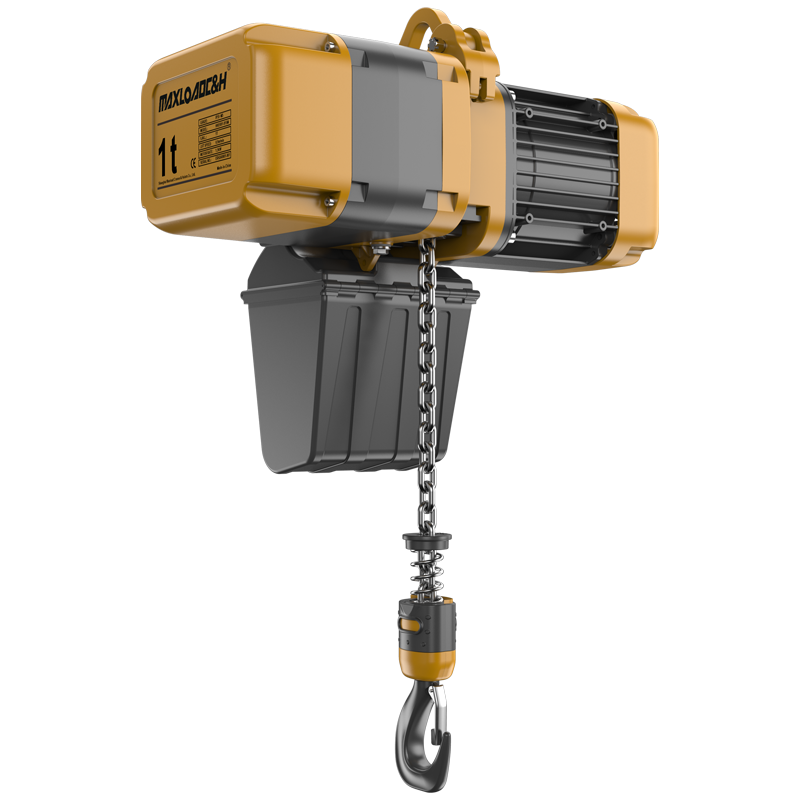
Ⅱ、Applications in all aspects: the ubiquitous industrial cornerstone
The wide range of applications of electric hoists covers almost every corner of the modern economy where gravity and space need to be managed.
On the manufacturing floor, it is the moving arm of the production line. From the installation of machine tool molds, the turnover of large parts, to the precise positioning on the assembly line, electric hoists greatly reduce the labor intensity of workers and improve production efficiency and safety. You can see its tireless figure in the roaring stamping workshop and busy welding stations.
In large warehouses and logistics centers, electric hoists are combined with gantry or cantilever cranes to become "air stewards" for managing heavy goods. It can easily lift tons of goods, move freely in three-dimensional space, and maximize the use of storage volume. It is an indispensable physical execution unit in the modern intelligent logistics system.
In addition, at the maintenance sites of hydropower plants and thermal power stations, in the huge hulls of shipbuilding, on lifts for automobile maintenance, and even behind the scenes of stage performances, electric hoists are used to lift heavy lights and scenery... With their diverse shapes and reliable performance, electric hoists silently serve all aspects of the national economy and people's livelihood. It is so deeply integrated into the industrial background that people often ignore its existence until they need to lift something too heavy to be carried by human beings.
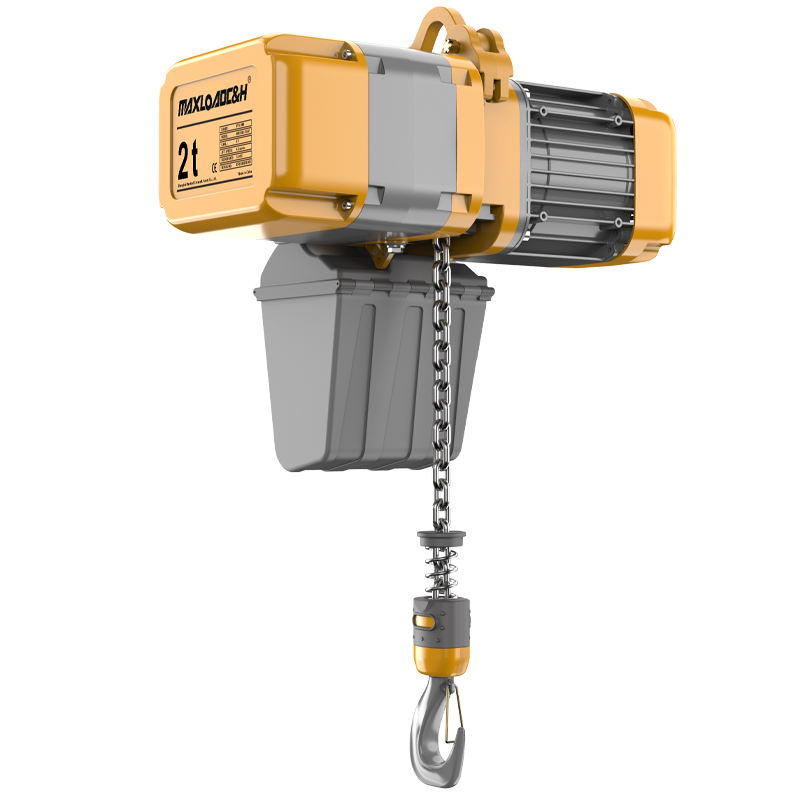
Ⅲ、Beyond Tools: Shapers of Social Production Modes
The significance of the electric hoist is far more than just a "labor-saving tool". It profoundly shapes the production methods of modern society.
First, it restructures the production process. With the electric hoist, the factory can design a more efficient production line layout, arrange heavy-duty processes in optimal locations, and make materials flow more smoothly, thereby realizing the true implementation of large-scale and assembly-line production.
Second, it enhances the dignity and safety of human work. It frees workers from the most risky and physically demanding heavy lifting, reduces the rate of work-related injuries, and allows workers to engage in more technical, managerial and creative work. This in itself is a manifestation of the industrial humanistic spirit.
Finally, it expands the possibilities for human construction and creation. The manufacturing and installation of many large-scale projects and precision equipment are possible precisely because of flexible and powerful lifting equipment such as electric hoists. It allows us to control and assemble parts that are far beyond the limits of a single human body, thereby building skyscrapers, erecting bridges across the sea, and building giant ships.
Conclusion
The electric hoist, this equipment that runs silently next to the production line and glides silently at the top of the warehouse, is a low-key but key founder of modern industrial civilization. It's not as cool as a robot, nor as trendy as a 3D printer, but with its most essential function - lifting heavy objects safely, reliably and accurately, it has become an indispensable "invisible engine" that supports our material world. Next time, when you hear the hum of its smooth operation in the workshop, dock or construction site, you may feel a sense of respect: it is this seemingly ordinary lifting and falling that has become the majestic force that drives the development of our era. It is the perfect crystallization of power and wisdom in the industrial age.
 0086 156 1824 5535
 0086 156 1824 5535
 kimliu@chnhoist.com