An Analysis of High-Efficiency Hoisting Solutions in Modern Industry
In modern industrial production, the efficiency of material handling directly impacts the overall smoothness of the manufacturing process. The combined application of electric hoists and overhead cranes undoubtedly constitutes the core solution to this challenge. As a critical component of lifting machinery, the electric hoist is mounted onto the overhead crane, thereby enabling three-dimensional operational capabilities involving both vertical lifting and horizontal movement. This article delves into the structural characteristics, application scenarios, and key operational and maintenance considerations for electric hoists and overhead cranes, offering a valuable reference for equipment selection and usage within relevant industries.
Basic Concepts and Classification of Electric Hoists
An electric hoist is a compact, lightweight lifting device characterized by its small size, low self-weight, and ease of operation. It typically consists of an electric motor, a transmission mechanism, and a winding drum or sprocket. These hoists offer a wide lifting capacity range—generally varying from 0.3 to 80 tons—with lifting heights reaching anywhere from 3 to 30 meters. Based on their structural configuration, electric hoists are primarily categorized into two main types:
Wire Rope Electric Hoists are among the most widely utilized types. They employ a steel wire rope as the flexible load-bearing element, offering the advantages of a compact structure and a substantial lifting height. Their speed reducers typically utilize a three-stage, fixed-axis helical gear transmission mechanism; the gears and gear shafts are manufactured from heat-treated alloy steel, ensuring the equipment's long-term durability. The lifting motors in these hoists often feature a conical rotor design with integrated braking capabilities. This type of motor combines both motive power and braking functions within a single unit, enabling automatic braking in the event of a power failure, thereby ensuring operational safety.
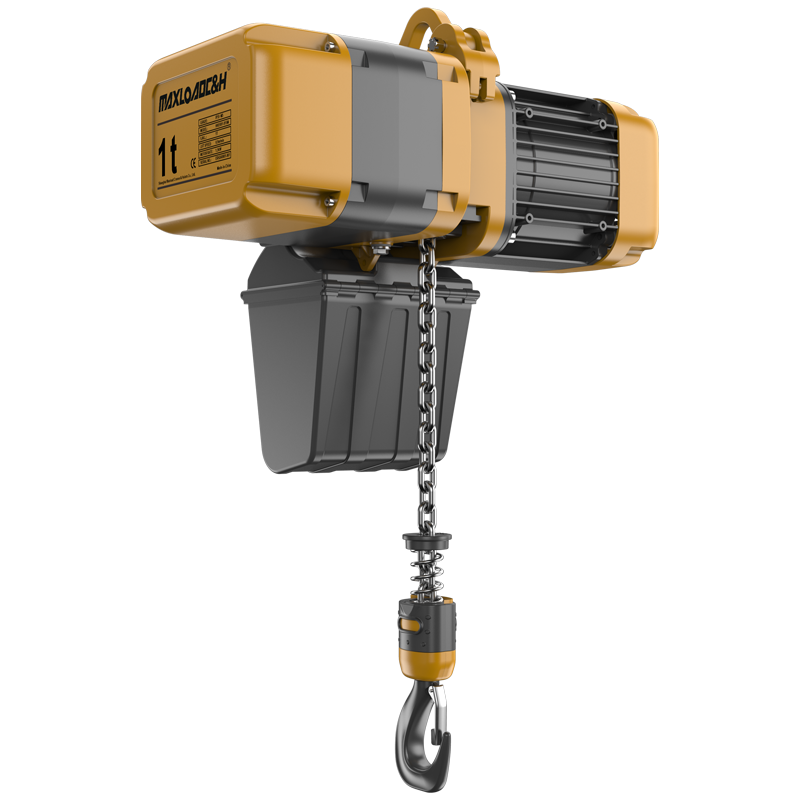
Electric Chain Hoists, conversely, utilize an alloy steel lifting chain, which similarly offers exceptional wear resistance and tensile strength. Their structure is even more compact, and they possess a lighter self-weight, making them particularly well-suited for applications where space is limited. With advancements in technology, modern electric chain hoists are frequently equipped with variable frequency control systems; these systems enable stepless speed regulation, ensuring the precise positioning of loads while preventing sudden impacts or jolts.
Overhead Cranes: The Mobile Platform for Electric Hoists
The overhead crane—also known as a bridge crane—provides the horizontal travel track for the electric hoist. It typically comprises a bridge structure (main girder), end carriages, a travel mechanism, and an electrical control system. Based on their method of support, overhead cranes can be broadly classified into two categories: suspended (underhung) cranes and supported (top-running) cranes. The span of the overhead crane can be customized to match the width of the facility—ranging from a few meters to several tens of meters—thereby covering the entire operational area of the workshop.
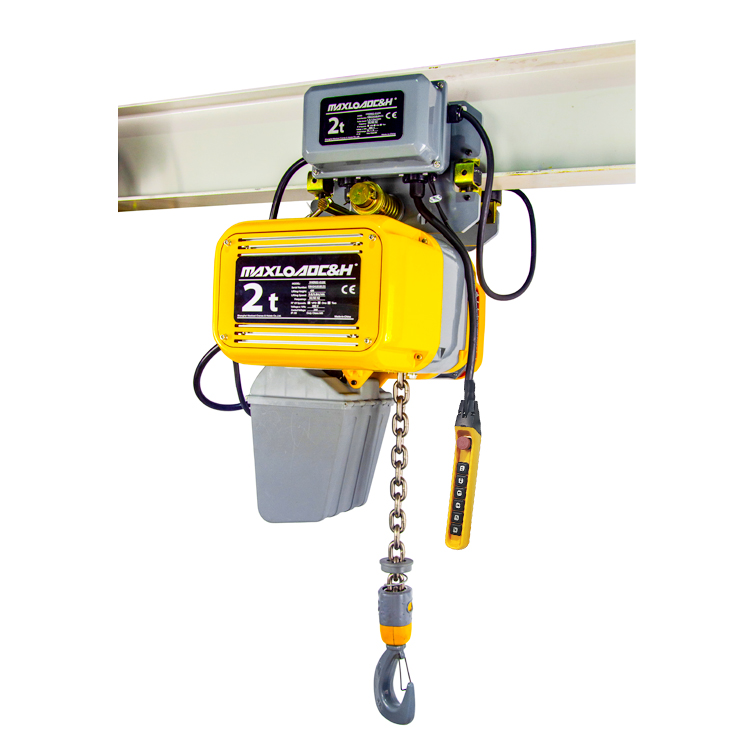
In practical applications, the electric hoist and the overhead crane are seamlessly integrated via a trolley system. The electric hoist is mounted on a dedicated trolley frame; the trolley carries the hoist laterally along the rails situated on the crane's main girder, while the crane assembly as a whole moves longitudinally along the rails positioned on either side of the workshop. This combined configuration establishes a comprehensive three-dimensional material handling system, significantly expanding the operational scope of a single piece of equipment.
Core Advantages of Combining Electric Hoists with Overhead Cranes
In modern manufacturing and logistics environments, this combined solution has become the mainstream choice, primarily due to the following advantages:
1. Safe and Reliable Design Philosophy
Modern hoisting equipment prioritizes safety above all else. Whether utilizing wire rope hoists or chain hoists, these systems are equipped with multiple layers of safety protection mechanisms. For instance, a dual-braking system ensures that the load remains securely locked in place in the event of a power failure; an overload protection device automatically cuts off power if the load exceeds 110% of the rated capacity, thereby preventing accidents; and upper and lower limit switches effectively prevent the hook from over-lifting or over-lowering, avoiding potential equipment damage. Furthermore, electrical control systems commonly employ low-voltage control circuits, further enhancing operational safety.
2. Efficient and Precise Operational Capabilities
In terms of efficiency, the introduction of variable frequency control technology has significantly enhanced the operational performance of electric hoists. Variable frequency control systems not only facilitate energy conservation but also significantly reduce the impact associated with starting and stopping, resulting in smoother and more precise load positioning. Certain high-end configurations can achieve a positioning accuracy of ±10 mm—a critical requirement for precision machinery assembly operations. The trolley's travel speed typically ranges from 5 to 20 meters per minute, while the hoisting speed can be adjusted between 0.5 and 10 meters per minute depending on the load, thereby fully meeting the diverse requirements of various working conditions.
3. Broad Adaptability to Diverse Working Conditions
The combination of an electric hoist and an overhead crane is capable of operating within ambient temperatures ranging from -20°C to +40°C, thereby covering the vast majority of indoor and outdoor operational scenarios. By adopting specific configurations—such as explosion-proof designs or anti-corrosion coatings—this combined system can also be extended for use in specialized environments, such as those found in the petrochemical industry. The modular design philosophy simplifies and accelerates equipment installation and maintenance; the quick-release structure and adjustable travel mechanism significantly reduce equipment downtime.
Analysis of Typical Application Scenarios
Electric hoists and overhead cranes are utilized across a wide spectrum of industries. The following are some typical application examples:
Automotive Manufacturing Industry
On automotive production lines, the combination of electric hoists and overhead cranes handles the lifting and transport of large components such as engines, transmissions, and body frames. Given the rapid production pace and frequent lifting operations, this environment demands high precision in equipment positioning and exceptional operational stability. Particularly in final assembly workshops, dual-speed hoists equipped with fine-inching capabilities ensure precise component alignment during assembly, thereby effectively enhancing assembly quality.
Warehousing and Logistics Centers
In automated high-bay warehouses, electric hoist trolleys are responsible for the inbound shelving and outbound retrieval of goods. This application scenario requires equipment with a high duty rating, capable of withstanding prolonged, high-frequency operational intensity. Furthermore, due to the narrow aisles within these facilities, there are stringent requirements regarding the smoothness and stability of equipment movement. Recent case studies demonstrate that the addition of new lifting equipment can effectively alleviate the strain on existing crane resources, drastically reduce waiting times for workpiece transport, and completely eliminate bottlenecks in the product flow from the workshop to the storage yard.
Major Engineering and Construction Projects
At construction sites for major engineering projects—such as those in the power generation and petrochemical sectors—the hoisting of overhead crane main girders often constitutes a critical milestone in the project schedule. For instance, during power plant construction, the overhead cranes situated within the turbine hall are tasked with the subsequent installation and maintenance of steam turbine-generator sets and auxiliary equipment. These cranes typically feature massive lifting capacities and long spans, presenting significant challenges during the hoisting process.
Shipbuilding and Heavy Machinery Manufacturing
Shipyards and heavy machinery manufacturing plants also rely heavily on this type of equipment. Operations involving the turning over and joining of large structural sections (blocks) require the coordinated support of heavy-tonnage overhead cranes.
Key Points for Operation and Maintenance
To ensure that electric hoists and overhead cranes remain in excellent working condition over the long term, proper operation and regular maintenance are essential.
Pre-Operation Checks
Operators must perform necessary checks prior to each use. It is essential to verify that the manual control buttons respond accurately and sensitively, and that the motor and reducer are free of abnormal noises. Operators must check that the brakes are responsive and reliable, ensure that the running rails are free of obstructions, and inspect the wire ropes or chains to confirm they are well-lubricated, neatly arranged, and show no visible cracks or signs of wear.
Key Operational Guidelines
Overloading the equipment is strictly prohibited, as is lifting loads at an angle or pulling them sideways. During routine operations, limit switches must not be intentionally used as the primary means to stop the lifting of a load. It is forbidden to simultaneously press two control buttons that would cause the electric hoist to move in opposite directions. Upon completion of work, the lifting hook should be raised to an appropriate height, and the main power supply must be disconnected.
Regular Maintenance and Servicing
The long-term, stable operation of the equipment relies heavily on meticulous maintenance. Regular inspections of the electric hoist's key performance parameters and safety status should be conducted—typically at least once a week. Particular attention must be paid to the condition of wear parts; for instance, the criteria for retiring wire ropes from service must strictly adhere to established safety standards. Wheel bearings and chains require periodic lubrication to prevent malfunctions caused by increased friction. For hoists engaged in continuous, long-duration operations, it is also crucial to monitor the motor's heat dissipation and to utilize its overheat protection features to appropriately adjust the frequency of operations.
Conclusion
The combination of electric hoists and overhead cranes constitutes an indispensable link within modern industrial logistics systems. From simple cargo lifting to complex precision assembly, and from routine workshop tasks to major engineering projects, this "golden duo"—characterized by its safety, efficiency, and flexibility—continuously drives improvements in production efficiency.
Driven by advancements in materials science and control technologies, future electric hoists and overhead cranes are poised to become even more intelligent and precise. Wireless remote control technology has already become widespread, enabling operators to stand at a safe distance while maintaining a clear view of the load. In the future, with the deeper integration of the Internet of Things (IoT) and big data technologies, this traditional equipment will usher in a new era of intelligent operation and maintenance management. For manufacturing enterprises across the board, a thorough understanding and judicious application of these technologies will undoubtedly provide a powerful impetus for their own transformation and upgrading.
 0086 156 1824 5535
 0086 156 1824 5535
 kimliu@chnhoist.com